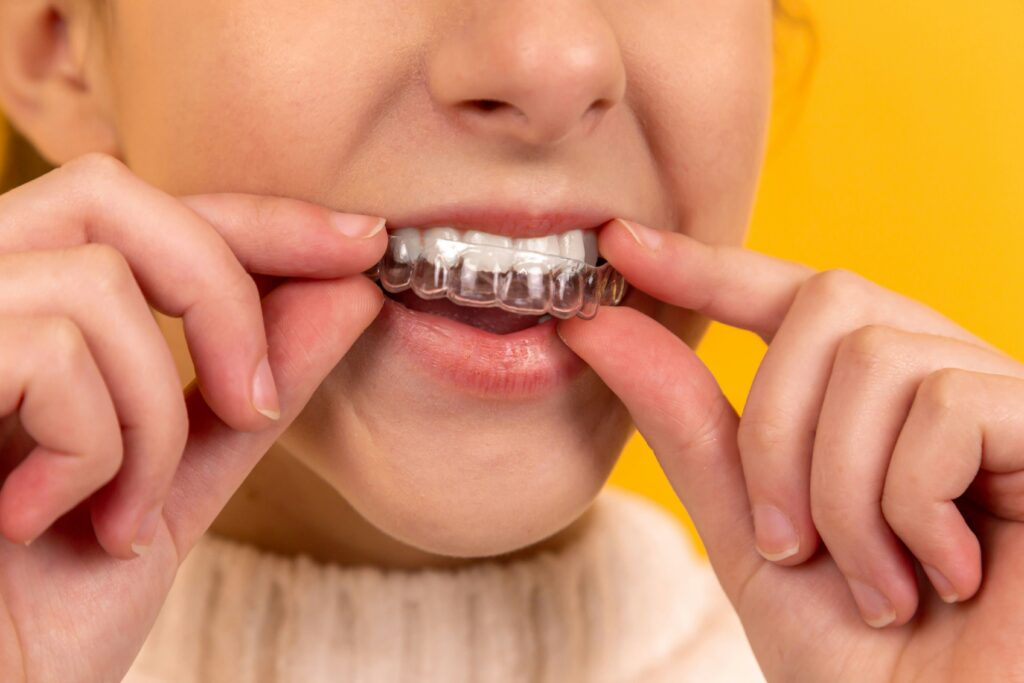
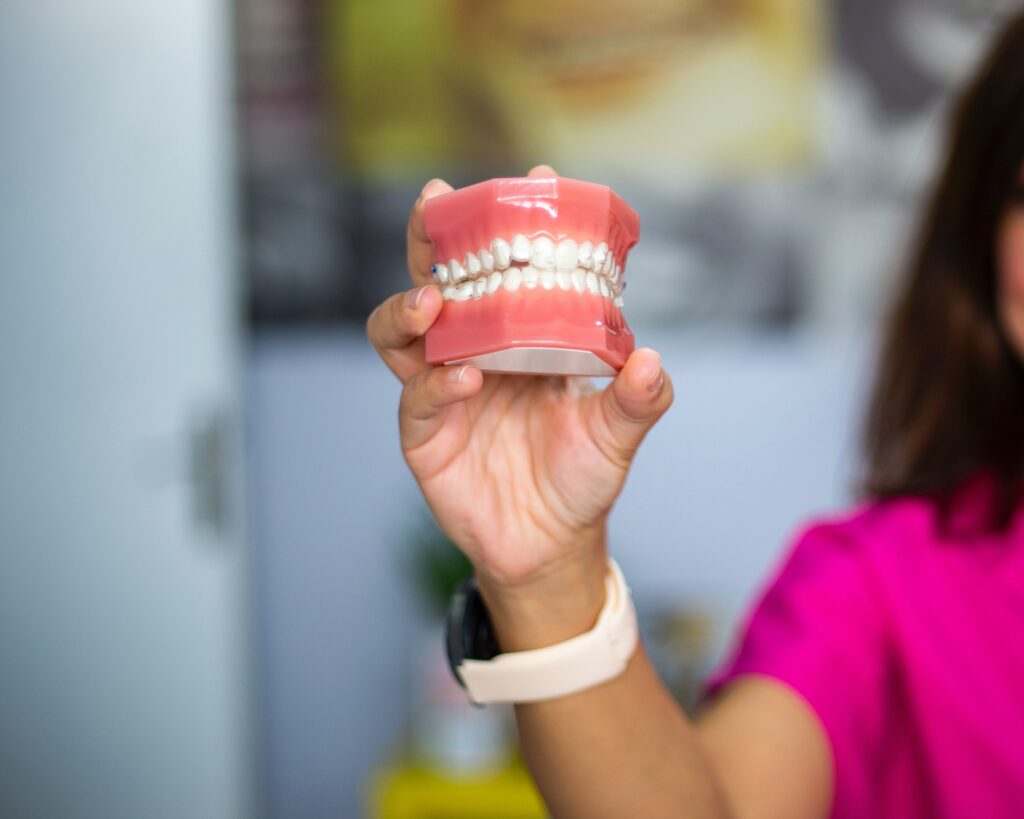
Choosing between high quality composite veneer and porcelain veneers in Beverly Hills can feel overwhelming. Many people know they want a brighter, more confident smile, but they are unsure whether porcelain or composite veneers will give them the results they imagine.
If you are dealing with stains, chips, gaps, worn edges, or uneven teeth, veneers are one of the most reliable cosmetic solutions. They can dramatically improve appearance, boost self-esteem, and help you feel more comfortable in social and professional settings. But the materials, longevity, cost, and aesthetic results differ, which is why understanding the comparison is so important.
This guide breaks down the true differences between porcelain vs composite veneers, how each option works, what they cost, how long they last, and how to choose the right solution for your goals. By the end, you will clearly understand which type of veneers in Beverly Hills aligns with your needs, lifestyle, and expectations.
Let’s dive in!
What Are Porcelain Veneers?
Porcelain veneers are thin, custom made shells that bond to the front of your teeth. They are crafted in a high quality dental laboratory and designed to mimic the natural shine, translucency, and structure of enamel. This is why patients often choose porcelain veneers in Beverly Hills that deliver the most natural and beautiful results.
Porcelain is strong, durable, stain resistant, and ideal for long term cosmetic transformations. These veneers are individually shaped to match your facial features, bite, and smile goals. Because laboratory fabrication is involved, the precision and detail are extremely high, making porcelain one of the gold standards in cosmetic dentistry.
What Are Composite Veneers?
Composite veneers in Beverly Hills are made from a tooth colored resin material. Instead of being created in a lab, the cosmetic dentist sculpts the resin directly on your teeth during the appointment. This makes the procedure faster, more affordable, and less invasive.
Composite veneers are commonly chosen by patients who want a quick cosmetic fix or who prefer a budget friendly option. They can fix chips, stains, gaps, and minor shape issues. Because they require less enamel removal, many patients find the procedure more comfortable.
A cosmetic dentist in Beverly Hills will ensure the resin is matched carefully to your natural enamel. However, composite material is not as strong or stain resistant as porcelain, which means the results will not last as long.
Porcelain vs Composite Veneers: Key Differences
When comparing porcelain vs composite veneers, material quality, durability, and aesthetic outcomes are the biggest differences.
Material quality:
Porcelain is a high strength ceramic. Composite is a resin based material similar to dental bonding.
Aesthetic results:
Porcelain reflects light like natural enamel, offering unmatched translucency. Composite looks good but usually does not achieve the same lifelike depth.
Longevity:
Porcelain typically lasts 10 to 20 years. Composite lasts around 4 to 8 years.
Stain resistance:
Porcelain is stain resistant. Composites can discolor more easily from coffee, wine, or smoking.
Procedure time:
Porcelain requires two visits. Composite veneers in Beverly Hills can be done in one day.
Reversibility:
Composite requires minimal enamel removal. Porcelain requires slightly more tooth preparation.
Maintenance:
Porcelain veneers in Beverly Hills are low maintenance. Composite may need touch ups.
Understanding these differences helps patients choose the best solution for their comfort, budget, and long term goals.
Cost of Porcelain vs Composite Veneers in Beverly Hills
The cost of veneers varies depending on the material, number of teeth, and the expertise of the dentist. In Beverly Hills, where quality and aesthetics are prioritized, porcelain tends to be more of an investment due to its longevity and craftsmanship.
Patients searching for veneers in Los Angeles typically find that porcelain offers better long term value because it lasts significantly longer and resists staining. Composite is more affordable upfront but may need replacement or refinishing sooner.
Durability and Lifespan: Which Lasts Longer?
Porcelain is the clear winner in terms of durability. It is incredibly strong and resistant to cracks, chips, and wear. With proper care, porcelain can last 10 to 20 years or longer.
Composite has a shorter lifespan, usually between 4 and 8 years. It is more prone to staining and chipping, especially for patients who clench, grind, or drink dark beverages frequently.
Lifestyle habits also play a role. Coffee, wine, and daily wear will affect composite faster than porcelain. For patients who want long lasting results, porcelain is typically recommended.
Aesthetic Differences: Which Looks More Natural?
Porcelain is widely known for its natural appearance. Because the material reflects light like enamel, results look remarkably lifelike. This level of aesthetics is important for image conscious patients in Beverly Hills who want a camera ready smile.
Composite also improves appearance, but the translucency and shine are not as high end as porcelain. Those who work on camera or prefer a flawless, high gloss finish often choose porcelain.
Procedure Differences: What to Expect
Porcelain veneer process:
- Two visits
- Tooth preparation
- Digital scans or impressions
- Custom lab fabrication
- Final placement
Composite veneer process:
- Single visit
- Minimal or no enamel removal
- Resin sculpting on the tooth
- Immediate results
Patients who want faster treatment often choose composite. Patients who want the most beautiful and durable outcome lean toward porcelain.
Which Option Is Best for You?
Deciding between porcelain and composite depends on several factors:
- Budget
- Desired longevity
- How natural you want your smile to look
- Number of teeth being treated
- Your bite and dental condition
- Lifestyle habits
- Personal priorities
Porcelain is typically recommended for long term smile makeovers, high aesthetic expectations, and durability. Composite is ideal for mild cosmetic improvements or patients seeking a more budget friendly solution.
Pros and Cons of Porcelain vs Composite Veneers
Porcelain Veneers
Pros:
- Long lasting
- Most natural looking
- Stain resistant
- Strong and durable
Cons:
- Higher cost
- Requires tooth preparation
- Takes two visits
Composite Veneers
Pros:
- More affordable
- Single visit treatment
- Easily repairable
- Less enamel removal
Cons:
- Shorter lifespan
- More prone to staining
- Not as natural looking
Common Myths About Veneers
Myth: Composite veneers always look fake.
High quality composite veneers crafted by an experienced dentist can look very natural. They may not match porcelain exactly, but they offer impressive cosmetic improvements.
Myth: Porcelain veneers ruin natural teeth.
Minimal enamel removal is required, and teeth remain mostly intact. Modern techniques ensure the tooth structure stays strong and healthy.
Myth: Veneers are only for celebrities.
Veneers are for anyone who wants to improve their smile. They are accessible, customizable, and suitable for everyday patients.
Myth: Veneers are painful.
Local anesthesia ensures comfort. Most patients report little to no discomfort during or after treatment.
Conclusion
Both porcelain and composite veneers can create a more beautiful, confident smile. The right choice depends on your goals, budget, lifestyle, and how long you want the results to last. Porcelain offers unmatched durability and aesthetics, while composite provides an affordable and fast cosmetic option.
No matter which path you choose, consulting with the best veneer dentist in Beverly Hills ensures your treatment is customized, natural looking, and aligned with your long term vision.
Ready to transform your smile with porcelain or composite veneers? Our team at Beverly Hills Dentist will help you choose the best option for your goals, lifestyle, and budget. Schedule a consultation today to learn more about veneers in Beverly Hills and what is possible for your smile.
FAQ Section
Are porcelain veneers better than composite veneers?
Porcelain veneers typically offer superior durability, stain resistance, and aesthetic realism compared to composite veneers in Beverly Hills. Porcelain lasts longer and provides a more natural enamel like finish. Composite is a good choice for short term improvements or smaller cosmetic fixes.
How long do porcelain and composite veneers last?
Porcelain typically lasts 10 to 20 years, while composite usually lasts 4 to 8 years. Longevity depends on proper care, oral hygiene, and lifestyle habits. Patients choosing porcelain veneers in Beverly Hills treatments often see results last much longer due to the quality of materials and precise craftsmanship.
Which veneers look more natural?
Porcelain offers superior translucency and shine, making it the most natural looking option. Composite improves appearance but does not match the lifelike glow of porcelain. Many patients seeking a smile makeover in Beverly Hills style choose porcelain for its camera friendly results.
Are composite veneers cheaper than porcelain veneers?
Yes, composite veneers are more affordable than porcelain. Composite involves a single appointment and less lab work. Porcelain veneers in Beverly Hills cost more due to the customization, craftsmanship, and long term durability they provide.
Do composite or porcelain veneers damage natural teeth?
Both types require some enamel reshaping, but the preparation is minimal. When performed by a qualified cosmetic dentist in Beverly Hills, the natural tooth structure remains strong and healthy. Proper planning ensures long term protection and stability.
Learn More: