Most dental problems don’t announce themselves. They don’t show up with a warning label or send a calendar invite. They build quietly, sometimes for months, occasionally for years, until something shifts from background noise to something you genuinely can’t ignore. By that point, what could have been a simple fix has often turned into a longer, more involved conversation with your dentist.
Here’s what a lot of people don’t fully appreciate: the symptoms that seem minor almost never are. That occasional sensitivity when you drink something cold. The gum that bleeds a little when you floss. The jaw that clicks when you wake up. These aren’t quirks of aging or just the way your mouth is. They’re signals, and in dentistry, signals ignored have a habit of becoming problems amplified.
At Beverly Hills Dentist, Dr. Nazarian sees patients every week who waited longer than they should have. Not because they didn’t care about their dental health, but because the signs weren’t dramatic enough to feel urgent. This article exists to change that calculus. If you recognize yourself in even two or three of the signs below, it’s time to stop postponing that appointment.
1. Your Tooth Sensitivity Has Gone from Occasional to Consistent
Nearly everyone experiences a little tooth sensitivity at some point. A cold drink on a hot day, a bite of ice cream, fleeting, not worrying. But when sensitivity becomes something, you plan around, something you notice daily or with more and more foods and temperatures, that’s a different conversation.
Persistent sensitivity is often the first indicator of enamel erosion, a cracked tooth, or an exposed root surface, all of which worsen with time and become progressively more expensive and complex to treat. It can also be a sign of early decay reaching closer to the nerve, or gum recession pulling back to expose the more sensitive lower portion of the tooth.
The tricky part is that these issues rarely hurt in a way that feels “serious” until they really are serious. Dr. Nazarian‘s approach always begins with identifying the actual source of sensitivity rather than simply managing the symptom, because treating the signal without understanding the cause is how problems slip through the cracks for years.
2. Your Gums Bleed When You Brush or Floss
This one gets dismissed more than almost anything else, and it genuinely shouldn’t be. A lot of people have been bleeding when they floss for so long that they’ve come to think of it as normal. It isn’t.
Gum bleeding is typically one of the earliest visible signs of gingivitis, it’s an inflammatory response to bacterial buildup along the gum line. The good news about gingivitis is that it’s entirely reversible with proper professional care and improved home hygiene. The not-so-good news is that if it’s left alone, it progresses into periodontitis, which is a different situation entirely. Periodontitis involves damage to the bone and tissue supporting your teeth that doesn’t fully reverse and that can ultimately lead to tooth loss.
If your gums bleed consistently, don’t wait for a “convenient” time to get it checked. Come in sooner. The earlier that inflammation is addressed, the simpler and more complete the resolution tends to be.
3. You Have Persistent Bad Breath That Doesn’t Respond to Brushing
Everyone has bad breath sometimes after coffee, after garlic, in the morning. That’s not what we’re talking about here.
Chronic bad breath, the kind that persists through brushing and mouthwash and seems to have no clear dietary explanation, is frequently rooted in something dental. Bacteria accumulating in deep gum pockets. Decay in a tooth that’s been quietly progressing. An old dental restoration that’s failing and harboring bacteria underneath. In some cases, it can point to more systemic issues, but ruling out the dental causes is always the right first step.
Persistent halitosis is uncomfortable to bring up with a dentist, which is probably part of why so many people live with it longer than they need to. Dr. Nazarian and the team at Beverly Hills Dentist approach it without judgment, it’s a clinical finding, not a personal failure, and it almost always has a treatable cause.
4. You Notice a Tooth That Looks or Feels Different
Teeth don’t change shape for no reason. If you’re noticing that a tooth looks darker than it used to, feels rough or jagged in a spot that was smooth, or seems slightly shorter, those are observations worth acting on.
Discoloration within a tooth (rather than surface staining) can indicate internal decay or a dying nerve. A rough edge might be a small chip or crack that, depending on its depth, could be a quick repair now or a much larger issue later. And if a tooth appears to be visibly shifting position without any orthodontic work involved, that’s a sign of bone loss that needs to be evaluated.
None of these changes are ever cosmetic-only problems. What looks like a surface issue is almost always structural, and catching structural changes early is what keeps dental crowns in Beverly Hills or more involved restorations from becoming necessary in the first place or at least from becoming more extensive than they need to be.
5. You Have Mouth Sores or Spots That Aren’t Healing
The average canker sore runs its course in about a week to ten days and resolves without intervention. Most people know what a canker sore feels like small, white or yellowish, irritating but predictable.
What concerns dentists more is any sore, patch, or spot in the mouth that lingers beyond two weeks without healing. Persistent white patches (leukoplakia), red patches (erythroplakia), or any sore that doesn’t follow the normal canker cycle can occasionally indicate something that needs to be biopsied and properly evaluated. Oral cancer screenings are a standard part of comprehensive exams at Beverly Hills Dentist for exactly this reason and the earlier any abnormality is identified, the better the outcome.
Don’t be alarmed, but don’t dismiss it either. Two weeks of non-healing is the threshold. If you’re past it, call.
6. Your Jaw Clicks, Pops, or Aches: Especially in the Morning
Jaw sounds have become such a common complaint that many people treat them as background noise. But clicking, popping, or locking in the jaw joint, especially when accompanied by facial tension, headaches, or soreness that’s particularly bad when you wake up, is your temporomandibular joint (TMJ) signaling that something is off.
TMJ dysfunction has multiple causes: teeth grinding during sleep (bruxism), stress-related clenching, bite misalignment, or structural issues in the joint itself. Left unaddressed, chronic grinding doesn’t just affect the jaw. It wears down tooth enamel significantly over time, can cause cracking in otherwise healthy teeth, and creates the kind of cumulative damage that often ends with patients needing restorative work they’d never anticipated.
This is also an area where proactive care makes an enormous practical difference. A custom nightguard, bite adjustments, or in some cases coordination with the right specialist, all of these are far more straightforward interventions when the problem is caught before years of grinding have taken a toll on the teeth themselves.
7. You’re Experiencing a Toothache or Spontaneous Pain
This one feels obvious, but it’s worth saying directly because the number of people who manage dental pain with ibuprofen for weeks or months, rather than getting it evaluated is genuinely staggering.
Pain that comes on spontaneously (not just triggered by pressure or temperature), pain that wakes you up at night, or pain that radiates from a tooth into the jaw or ear are all potential signs of an infection or nerve involvement. An abscessed tooth is not a wait-and-see situation. Left without treatment, dental infections can and do spread and what began as a fixable problem can escalate into something with real systemic consequences.
If you’re in pain, that’s not your body being dramatic. It’s a direct communication. The right response is a dental appointment, not a higher dose of painkillers.
8. It’s Been More Than a Year Since Your Last Cleaning and Exam
This one is for the people who don’t have a specific symptom, just a long stretch of time since anyone last looked at their teeth properly.
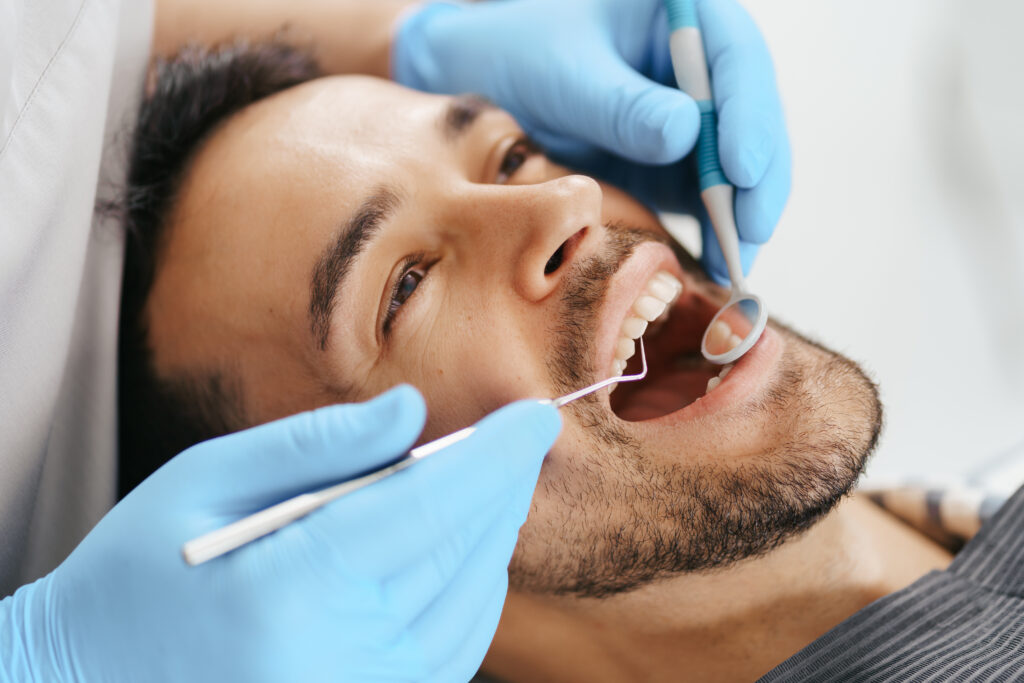
The standard recommendation for most adults is twice-yearly professional cleaning and examination. Some patients with a history of gum disease or higher cavity risk benefit from visits every three to four months. But even healthy, diligent brushers have calcified deposits (tartar) that a toothbrush simply cannot remove, regardless of technique or product. Beyond the cleaning itself, regular exams with dental X-rays catch early-stage decay, bone changes, and bite shifts that have no symptoms at all in the early phases.
Preventive care isn’t just about cleaning your teeth. It’s about catching the things you cannot see or feel before they become things you absolutely can.
9. You’re Not Happy with How Your Smile Looks, And It’s Affecting Your Confidence
This one tends to get filed under “cosmetic” and therefore deprioritized, as though appearance concerns are somehow less valid than functional ones. They aren’t.
Research on the psychological impact of smile dissatisfaction is fairly consistent. People who feel self-conscious about their teeth smile less, participate less in social and professional situations, and report measurably lower confidence in contexts where they feel their appearance is being evaluated. In Los Angeles and Beverly Hills particularly, where so much of professional and social life is public-facing, that confidence gap has real consequences.
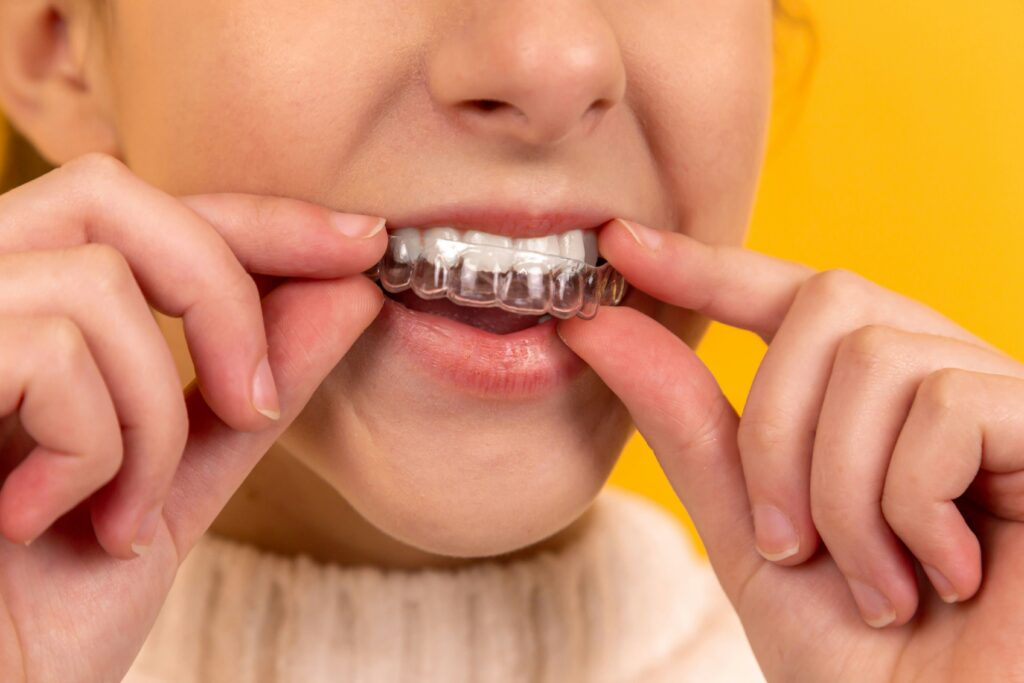
The good news is that modern cosmetic dentistry in Beverly Hills has come remarkably far. Whether it’s misalignment that Invisalign in Beverly Hills can correct, discoloration that responds to professional whitening, chipped or misshapen teeth that porcelain veneers in Beverly Hills can transform, or gaps from missing teeth that Beverly Hills implant dentistry can restore, almost every smile concern has a pathway to a real, natural-looking solution.
A consultation isn’t a commitment to treatment. It’s just a conversation about what’s possible. And sometimes that conversation is exactly what people have needed to have for years.
10. You’re Pregnant, Recently Diagnosed with a Systemic Condition, or Starting New Medications
Changes to overall health don’t stay neatly contained to one part of the body. Pregnancy brings hormonal shifts that significantly increase susceptibility to gum inflammation, a condition called pregnancy gingivitis that affects a notable percentage of pregnant women and can, if severe, have implications for both maternal and fetal health. Dental care during pregnancy is not only safe for the vast majority of procedures, it’s actively recommended.
Similarly, conditions like diabetes, autoimmune disorders, and osteoporosis have well-documented connections to oral health, either influencing the progression of gum disease or being influenced by it. Certain medications cause dry mouth, which dramatically increases cavity risk. Others affect bone density in ways that matter for dental implant candidacy or healing after procedures.
If something significant has changed in your overall health picture and you haven’t updated your dentist, that’s the visit worth scheduling. Dr. Nazarian takes a whole-health view of every patient because what happens in your mouth rarely happens in isolation.
Frequently Asked Questions
Q: How often should I actually be seeing a dentist in Beverly Hills? For most adults with generally good oral health, twice a year is the standard, once for a thorough cleaning and exam, once for a maintenance cleaning. Patients with active gum disease, a history of frequent cavities, or other risk factors may be recommended on a three- to four-month schedule. The honest answer is that it depends on your specific oral health profile, which is something Dr. Nazarian assesses individually rather than applying a one-size answer.
Q: I haven’t been to the dentist in several years. Is it too late to start again without judgment? Not even slightly. The team at Beverly Hills Dentist genuinely doesn’t operate with any judgment around gaps in care. Life gets complicated, fear gets in the way, dental anxiety is real. These are all understandable. What matters is getting back in the chair and establishing a baseline so a clear path forward can be built. The longer the gap, the more important a comprehensive exam becomes, but it’s never too late to restart.
Q: My tooth doesn’t hurt at all. Can it still have a cavity? Yes, and this is one of the most important things for people to understand about dental decay. In the early and even mid-stages of a cavity, there is often no pain whatsoever. Pain typically indicates that decay has progressed close to or into the nerve, which means treatment becomes more involved. This is precisely why regular X-rays matter. They catch decay long before it becomes something you feel.
Q: What’s the difference between a cleaning and a deep cleaning? A standard prophylactic cleaning removes soft plaque and hardened tartar from the tooth surfaces above and just below the gum line. A deep cleaning, clinically called scaling and root planing goes below the gum line to remove deposits from the root surfaces and smooth them to discourage future bacterial adhesion. It’s the first-line treatment for gum disease that has progressed beyond the gum line. Whether you need a standard or deep cleaning is determined by the extent of gum pocket depth measurements taken during your exam.
Q: Can dental problems really affect my overall health? The connection between oral health and systemic health is one of the more significant and underappreciated areas of modern medicine. Periodontal bacteria have been found in association with cardiovascular disease. Poor gum health is linked to worse glycemic control in diabetic patients. Oral infections during pregnancy carry documented risks. The mouth isn’t separate from the rest of the body, and treating it as if it is does a disservice to both.
Q: I have dental anxiety. How does Dr. Nazarian handle that? It’s taken seriously, not minimized. A significant portion of the population experiences some level of dental anxiety, and at Beverly Hills Dentist, the approach is built around patient comfort, clear communication at every step, no rushing, sedation options where appropriate, and the kind of environment that’s a deliberate departure from the clinical-and-cold dental office experience. The first step is simply telling the team when you book that anxiety is a factor. From there, the visit gets designed around you.
Q: How do I know if my old dental work needs to be replaced? Old fillings, crowns, and other restorations don’t last forever. The longevity depends heavily on the material, the location, and how well the underlying tooth has held up over time. Signs that existing work may need attention include visible cracks or chips in a restoration, sensitivity or pain under an old filling, visible darkness around the edges of a crown, or a crown that feels loose or different when you bite. Regular exams allow Dr. Nazarian to monitor the condition of existing restorations before they fail. Which is always preferable to waiting until failure causes additional damage.
Q: Is there anything I can do between appointments to reduce my risk? Yes, and it matters more than most people realize. Brushing twice daily with a fluoride toothpaste, flossing once daily (properly not just passing the floss through, but curving it against each tooth), staying well hydrated, limiting acidic and sugary foods and drinks, not using tobacco in any form, and wearing a nightguard if you grind, these habits form the foundation. They don’t replace professional care, but they meaningfully reduce the rate at which problems develop between visits.
The Longer You Wait, the More It Costs in Every Sense
There’s a certain logic people apply to dental symptoms that they’d never apply to, say, a check engine light. They want to believe it’ll resolve on its own. That it’s not serious enough to warrant the appointment, the time off, the cost. And sometimes, they’re right. But far more often, dental problems are the classic case of pay a little now or pay a lot later.
The signs in this article aren’t meant to alarm you. They’re meant to help you recognize what your mouth may already be telling you and to take those signals seriously before they escalate into something that’s both harder to fix and harder to ignore.
Beverly Hills Dentist, under Dr. Nazarian’s care, is the kind of practice where that kind of attentive, proactive dental relationship is possible. The goal isn’t to fill chairs with treatments, but to help patients actually maintain the oral health they need to live their best lives confidently, comfortably, and without the low-grade anxiety of knowing something’s probably wrong.
Your Smile Deserves Attention Before It Demands It
If you recognized yourself in any of the signs above or if you simply can’t remember the last time a dentist actually looked at your teeth, there’s a straightforward next step.
At Beverly Hills Dentist, Dr. Nazarian offers comprehensive new patient exams that go well beyond a cursory look-over. You’ll receive a thorough clinical evaluation, digital X-rays where indicated, a full gum health assessment, and a candid, pressure-free conversation about anything that needs attention and everything that doesn’t.
No waiting until something hurts. No guessing whether that sensitivity means something. Just clarity, care, and a clear picture of where your dental health actually stands.
Schedule your exam with Dr. Nazarian today because the best dental appointment is always the one you don’t put off.