Choosing Invisalign is rarely just about straight teeth. For most adults in Beverly Hills and Los Angeles, it’s about confidence and a polished professional image, achieved without anyone noticing the orthodontic work behind it. That’s a big part of why searches for Invisalign Beverly Hills keep climbing among professionals, executives, and image-conscious patients who want discreet results that fit around a demanding schedule.
Here’s the part most patients don’t fully grasp going in: finishing Invisalign isn’t the finish line. It’s the start of maintenance.
Straightening teeth is only half the process. Keeping them straight for years — or decades — depends on a real retention plan, consistent habits, and follow-up care from a provider who takes retention as seriously as the aligners themselves. As Dr. Arminé Nazarian tells patients directly, long-term orthodontic success is decided less by the aligners and more by what happens after the last tray comes out.
Why Adults in Beverly Hills Choose Invisalign
Traditional braces work, but many adults put treatment off for years over aesthetics and lifestyle disruption. In fields like law, media, luxury real estate, entertainment, and healthcare, first impressions carry real professional weight, and Invisalign offers a way to improve a smile without interrupting that.
Its advantages for adult patients are consistent: a nearly invisible appearance, removable trays for meals and events, more comfort than metal brackets, easier oral hygiene, and a fully digital, predictable treatment plan. A Beverly Hills dentist working with this patient base also understands that adult orthodontics isn’t purely functional — it’s frequently about subtle refinement that improves confidence without changing what makes someone recognizable.
What Happens After Invisalign Treatment Ends
This is where patients are often caught off guard.
After months of aligners, the teeth are finally straight, the bite feels better, and photos feel easier. Then comes retention — and it isn’t optional.
Teeth shift over time because the periodontal fibers and surrounding bone need time to stabilize around their new positions. Without a retainer, relapse is common, and even minor movement in the first few months tends to become noticeable later if it isn’t caught early.
Why Teeth Shift After Invisalign
The honest answer to “if my teeth are straight now, why would they move again?” is that teeth are never permanently fixed — they respond to pressure throughout life. Common causes of post-treatment shifting include:
- Natural aging
- Teeth grinding
- Jaw pressure during sleep
- Missing teeth
- Gum disease
- Bite changes
- Inconsistent retainer wear
The evidence on this is fairly stark. In a frequently cited University of Washington study, patients who wore retainers for only one to two years after treatment had roughly a 70% chance of showing a serious need for re-treatment ten years later. Other research puts relapse in the first three years at closer to 20% of patients overall — the range depends heavily on how consistently retainers are worn. Either way, the pattern is the same: even people who had braces as teenagers often see crowding return in adulthood if retention lapses.
Retainers After Invisalign: Why They Matter
Retainers hold teeth in their corrected position while the surrounding bone and gum tissue stabilize around them. It’s a similar logic to maintaining a major purchase after buying it — the aligners are the investment, and retention is what protects it. Patients who skip proper retention after finishing Invisalign are the ones most likely to need corrective refinement treatment later.
Types of Retainers Used After Invisalign
Not every retainer is the same, and your provider should recommend one based on your case, bite, and lifestyle.
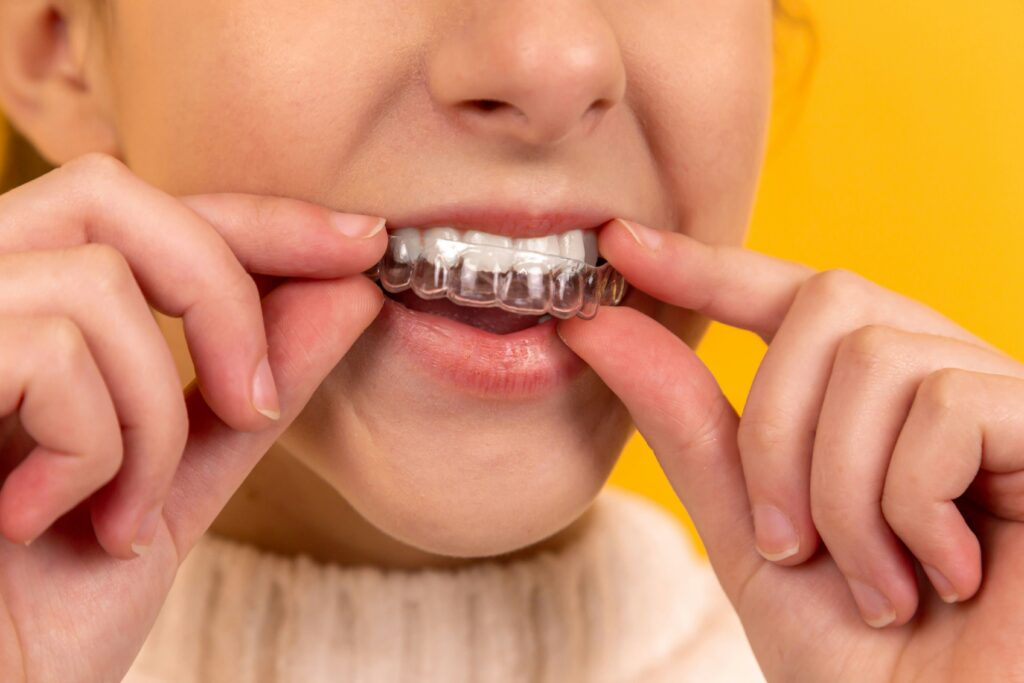
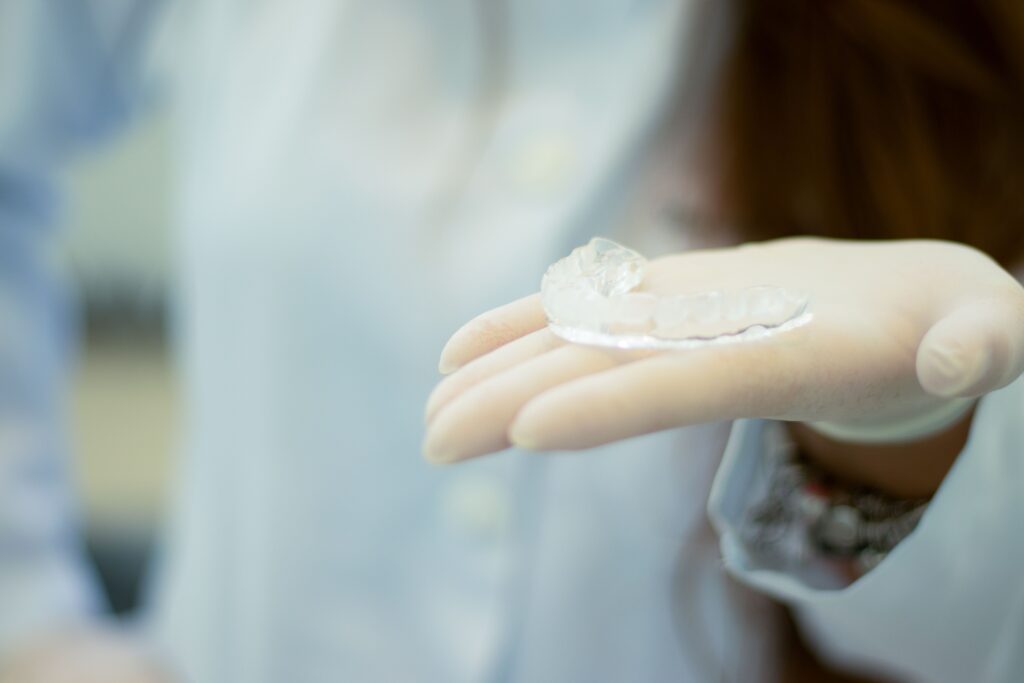
Clear retainers look like Invisalign trays and are the most common choice among adults, largely because they’re discreet, comfortable, and don’t interfere with speech. Most Beverly Hills professionals prefer these for exactly that reason.
Fixed retainers are thin wires bonded behind the front teeth. They provide continuous support with nothing to remember to wear, and they’re often recommended for patients prone to lower front crowding or relapse.
Combination retention — both fixed and removable — gives an extra layer of security for more complex cases.
How Often Should You Wear Retainers?
Recommendations vary by provider and case, but a typical schedule looks like this:
- Immediately after Invisalign: full-time wear, except for meals and brushing
- After initial stabilization: nightly wear
- Long term: nighttime wear indefinitely, for most patients
That last point catches people off guard, but it’s a small ask compared to repeating orthodontic treatment. Dr. Nazarian works with patients to build a maintenance routine that’s realistic enough to actually stick to.
Retainer Maintenance: Protecting Your Investment
Neglecting retainer care leads to odor, bacteria buildup, staining, or warping — all avoidable with a few habits:
- Clean daily. Rinse after removal and clean gently every day; avoid abrasive toothpaste, which can scratch the material, and use an approved cleaning solution if your provider recommends one.
- Keep away from heat. Hot cars, direct sunlight, and hot water can all warp plastic retainers — even slight warping changes the fit.
- Store properly. Always use a protective case. A surprising number of retainers end up lost in restaurant napkins.
- Replace when needed. Cracks, looseness, or a change in fit usually mean it’s time for a new one.
Clear retainers commonly last several years with proper care, though replacement timing depends on grinding habits, material wear, and bite pressure — which is one reason regular dental evaluations matter even after active treatment ends.
Long-Term Invisalign Results: What to Expect
Patients who stay consistent with maintenance tend to keep their results looking good for years. Long-term success comes down to three things:
- Consistency — wearing retainers as instructed, without exception
- Monitoring — regular dental visits to catch subtle movement early
- Oral health — healthy gums and supporting bone, since neglecting either can compromise even a well-planned orthodontic result
Invisalign and Cosmetic Smile Enhancement
For many adults, Invisalign is one part of a larger plan. Once teeth are aligned, whitening, veneers, bonding, or restorative work often become realistic options that a crowded or shifted smile couldn’t support well before. Our Cosmetic Dentistry Beverly Hills page covers the broader range of options.
Patients sometimes pair Invisalign with porcelain veneers in Beverly Hills to refine tooth shape and symmetry once alignment is finished. Damaged teeth may benefit from dental crowns, and missing teeth that affect bite stability may call for Dental Implants in Beverly Hills in as part of the same long-term plan.
Not sure Invisalign is the right starting point? Our Beverly Hills Invisalign Treatment for Crowded Teeth and Gaps and Invisalign Clear Aligners for Full Smile Makeovers pages cover treatment itself in more depth.
Frequently Asked Questions
Is Invisalign worth it for adults? Yes — it remains one of the most widely used orthodontic treatments for adults seeking discreet, effective straightening.
Will my teeth shift if I stop wearing retainers? Very likely, and sometimes fairly quickly. Teeth can begin drifting within weeks to months of dropping retainer wear altogether.
Are retainers uncomfortable? Most patients adjust within days. Clear retainers in particular are generally well tolerated.
Can retainers fix minor shifting? Sometimes — a new or updated retainer can manage small movement. Larger shifts usually need a short course of aligners to correct.
How often should retainers be replaced? It depends on wear patterns and material fatigue, which is why a periodic evaluation is worth scheduling rather than waiting for an obvious problem.
Why Provider Expertise Matters
Technology matters in Invisalign treatment, but planning matters more. An experienced provider is assessing bite function, jaw mechanics, facial aesthetics, smile symmetry, and long-term stability together — not tracking alignment as an isolated metric. That comprehensive approach is what actually reduces relapse and improves how results hold up over time.
For independent background on clear aligners and retention, the American Association of Orthodontists is a useful outside resource.
Protect Your Invisalign Results for Years to Come
Finishing Invisalign is a real milestone, but preserving the result is what protects the value of the treatment itself. Your smile will keep responding to age, lifestyle, and habits long after the last aligner tray — the right retention plan is what keeps it looking the way it did on day one.
Schedule Your Invisalign Consultation
Dr. Arminé Nazarian builds every Invisalign plan — from active treatment through long-term retention — around your goals and your schedule, not a generic maintenance checklist.
Call our Beverly Hills office today to schedule a consultation, whether you’re starting Invisalign or need guidance on retainers and long-term maintenance.